• The Menopause Conversation We Need to Have

    Menopause is one of those subjects that everyone knows is important, yet for years it has been quietly avoided, brushed aside, or whispered about. It has started to get more attention lately, but too often the conversation is dominated by celebrity stories that turn into books, exercise regimes, or neat little solutions that do not always reflect the everyday reality. I am not knocking any woman who has been through it and is trying to help others, but we rarely see the ugly, difficult side of actually living with it, the brain fog, the forgetfulness, the sheer unpredictability.

    We are quick to remember hormones at every other stage of life, pregnancy and puberty being the most obvious, but we do not talk about menopause in the same way. Yes, there is a science bit, but the truth is that it will hit differently for everyone, and that is the part that still gets overlooked.

    I am not menopausal, and I am not even perimenopausal yet, but I am in my forties and I would be lying if I said it was not starting to loom large in my mind. It is there in the background, a reminder that change is coming whether I am ready or not, I’m trying to lose weight, the middle age spread that seems to have caught up with me despite not feeling at all middle aged. For a long time, I thought menopause was something that happened later, something that belonged to another stage of life. Now I realise that it is closer than I expected, and that I need to think about it before it arrives.

    The problem is that most of us were not given much of a roadmap. Growing up, periods were mentioned just enough to be awkward, and everything after that was left unspoken. The women I knew just “got on with it,” but now I can see that many of them were struggling silently with symptoms that were brushed off or dismissed. That silence has left a gap that needs filling, not with miracle cures or glossy campaigns, but with honest, practical conversations.

    What I want is the space to talk about it openly. To say “this is what I am worried about” or “this is what I do not understand” without feeling like I am oversharing. To hear from women who have been through it without only hearing the horror stories. To know how to prepare myself in small, realistic ways rather than waiting until I am in the thick of it and hoping for the best.

    Menopause does not need to be something we dread, but it does need to be something we are honest about. It affects every woman differently, but what we share is the need for knowledge, support, and understanding. It should not be something you face in silence or only discover through trial and error.

    So this is the conversation I think we need to have. Not just in October when it happens to be World Menopause Month, but in everyday life. With our friends, with our families, with our workplaces. Because if half the population is going to go through this, then half the population deserves better than silence or slogans.

    I am not there yet, but I want to be ready. I want to understand what is ahead, to know what support is out there, and to feel like it is normal to talk about it. That, for me, is the first step. And maybe the most important one.

  • The Art of the Simple Supper

    There is something freeing about supper that does not try too hard. A few bits on a plate, nothing fancy, and somehow it still hits the spot. That is what I have learned to love about Mediterranean-ish cooking, you do not need a long list of ingredients or a mountain of washing up for it to feel satisfying.

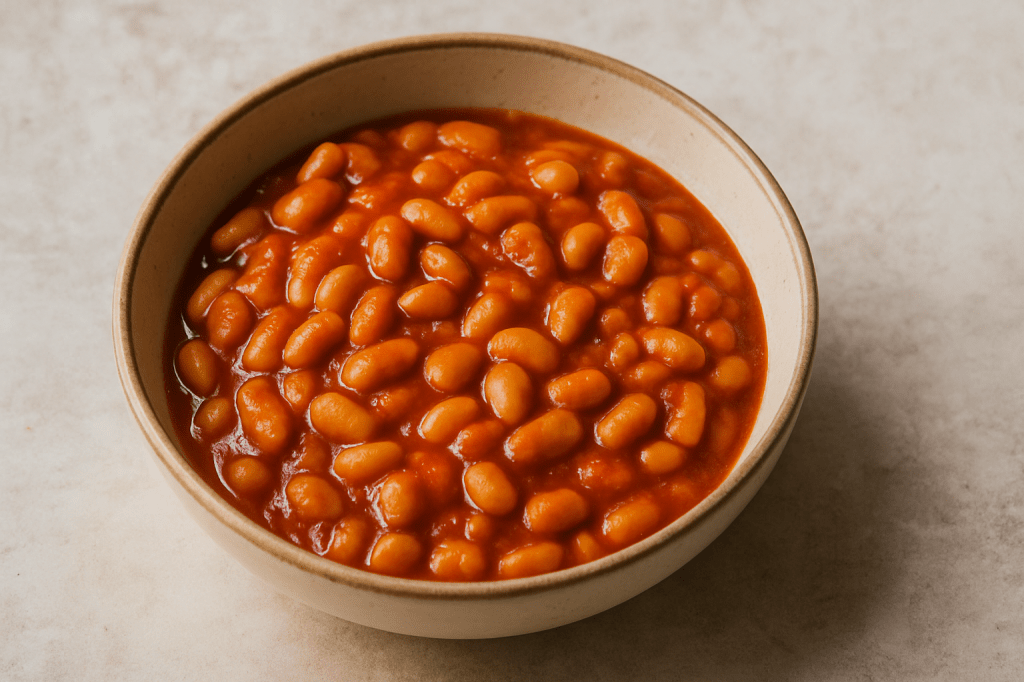
    Sometimes it is as basic as cheese, olives, and tomatoes pulled together into a little platter. Other times it is a jacket potato with homemade beans, which sounds like a faff until you realise it is can be quick, cheap, and taste better than the tinned stuff. Sometimes, it is using leftovers. And yes, sometimes it is a toasted cheese sandwich because that is what the day calls for. The common thread is that even when the meal is simple, I still try to find a way to sneak in a bit more plant variety.

    That might mean stirring spinach through the beans, tossing a handful of seeds over the salad, or throwing some herbs into whatever is on the plate. Little tweaks that do not take extra thought but add up over the week. It is the same spirit as sneaking more plants into your meals. You do not need to overhaul everything, you just need to keep nudging it in the right direction.

    A simple supper is not second best. It is the reminder that good food does not need to be complicated. It is about working with what you have, enjoying the small things, and giving yourself a break from the idea that every meal has to impress. Sometimes the best plate is the one that feels easy, fills you up, and leaves you with the energy to do something other than the washing up.

    Halfcut Beans

    This is beans on toast’s grown-up cousin. Nothing fancy, nothing fussy.

    What you need:

    • 1 can haricot or cannellini beans, drained
    • 250g passata
    • 1 tbsp tomato paste
    • 1 tsp smoked paprika
    • 1 level tbsp Greek yogurt
    • Pinch of salt

    What to do:
    Tip everything (except the yogurt) into a pan just as you would with normal baked beans. Heat through until the sauce thickens and the beans are how you like them — soft and unctuous if you are me, or with a bit more bite if that is your thing. Take off the heat and stir through the Greek yogurt at the end.

    Play with it: once you are confident, try adding a splash of vinegar for sharpness, your favourite herbs, chopped greens that need using up, or even a spoon of jam or syrup for sweetness.

  • Why Championing Women Cannot Be a One-Day Event

    Supporting women is not something that should be boxed into one date on the calendar. It is something that matters every day.

    I know I have been fortunate. I have worked alongside incredible women, and for the most part I have not faced the kind of blatant misogyny that so many others have. That does not mean it is not there. It does not mean it is not real for those who live it.

    The numbers tell their own story. In 2022 fewer than one in ten FTSE 250 CEOs were women. The gender pay gap still exists. Women remain underrepresented at board level, and in industries that have always been seen as male dominated the picture is starker still.

    Progress is happening, but slowly. Too slowly. Real change needs more than good intentions. It means asking the awkward questions, refusing to accept lazy assumptions, and pushing for representation and fair pay as a given, not a favour. Women’s contributions should be valued because of their worth, not treated as unusual exceptions.

    This is not about creating a special corner for women. It is about making sure the whole space is open, accessible, and welcoming.

    So today, and every day, we should celebrate the women who are already leading the way, while remembering that the work is far from finished. And if you are one of those women in power, then lead boldly, lift others with you, and show that none of us gets there alone.

  • 5 Ways to Sneak More Plants into Your Meals

    There is so much talk about eating more plants that it can start to sound like a chore. We know we should add more vegetables, grains, beans, nuts, and seeds into our meals, but when you’re tired and just trying to get dinner on the table, the last thing you need is another rule. The good news is that it doesn’t have to feel like one. Tiny tweaks can make a big difference, and you can sneak more plants into your meals without ever feeling like you’re forcing it.

    Here are five of my favourite and most manageable ways to do it.

    1. Add spinach to almost anything.
    Spinach is the stealth ingredient that always delivers. Toss it into pasta sauce, stir it through curry just before serving, whisk it into eggs, or blend it into soups. It wilts away to almost nothing yet suddenly your meal feels richer without shouting “vegetables.”

    2. Scatter nuts and seeds.
    A sprinkling of pumpkin seeds over soup, sesame seeds in your stir-fry, chopped almonds in couscous, or walnuts in a side salad all bring crunch, texture, even a hint of fat that keeps you full. Keep a little jar of mixed nuts (I whizz mine in the food processer) or seeds on the kitchen counter, it becomes an effortless grab-on-top habit.

    3. Bulk out sauces with vegetables.
    A plain tomato pasta sauce is fine, but when you grate in carrot, finely chop peppers, or stir in mushrooms, the flavour deepens and the meal becomes beefier without any meat. It’s not about what you’re taking out, but what you’re adding in. Finely chopped celery, carrots and onion fried first add flavour to most dishes.

    4. Think of beans and lentils as add-ins, not just meals.
    Rather than thinking beans belong only in hearty veggie stews, try mixing lentils into bolognese, chickpeas into your salad, or mashing white beans into mashed potato to add creaminess. They sneak in extra protein and fibre invisibly, and make meals feel more filling.

    5. Swap sides for something greener.
    Maybe you usually do plain rice, try stirring in peas or edamame. Instead of chips, roast sweet potatoes or try a salad tossed with tomatoes and cucumber. You don’t have to overhaul your meal, just tweak a small part so it feels colourful and fresh.


    Plant Points: A Nudge Toward Rainbow Eating

    Here’s where it gets interesting. An approach called “30 plants a week” is gaining attention and it fits beautifully with simple, sneaky tweaks. The idea is that eating a wide variety of plants, not just lots of one thing, supports gut health, immunity, and overall wellbeing.

    Here’s why rainbow meals matter: different plants offer different fibres, vitamins, and plant compounds, all feeding different gut bacteria. A diverse gut microbiome means better digestion, stronger immune response, and even mood benefits.

    A practical tip? When batch cooking, change things up at each reheating. That tray of roasted veg with couscous on Monday? Give it a sprinkle of chilli and toasted nuts on Tuesday, or add some peas on Wednesday. Frozen veg can be super convenient.


    Why These Simple Tweaks Work

    • They follow the inclusion over exclusion principle. You’re not subtracting, just enriching meals you’re already eating.
    • They help build variety, not monotony and feeding that gut diversity matters.
    • They feel doable on a regular evening, not lofty or time-consuming.
    • They reward you in flavour as well as health and if it tastes good, you’ll keep doing it.

  • Why I Stopped Feeling Guilty for Doing Nothing

    For years I treated rest as something I had to earn. If I stopped for too long, I felt like I was cheating. Even when I did sit down, I would distract myself with scrolling or mindless games, which only left me feeling worse because I told myself I was wasting time. I thought I was giving myself a break, but really, I was just piling on another layer of guilt.

    It took some of the most stressful times I have ever lived through to shake that pattern. When everything landed at once, when I was brittle with tiredness and stretched so thin I could barely think straight, I realised that I could not keep pushing. I had no choice but to stop. And when I stopped, I discovered that the world did not collapse.

    Work carried on without me. My other half stepped up with family responsibilities that I would normally have taken on by default. If I did not feel like socialising, I said so, and it turned out that nobody’s friendship depended on me showing up to every invitation. The pressure I had been putting on myself to be endlessly available, endlessly useful, endlessly agreeable, simply melted away when I decided to put it down.

    What surprised me was how empowering it felt to say no. No to extra tasks when I was already at my limit. No to staying late at my desk when rest mattered more. No to stretching myself thin for the sake of appearances. As women we are taught in a hundred subtle ways to be people pleasers, to smooth things over, to pick up the slack, to put others first. Learning to focus on what I needed, and to hold that line without apology, felt like taking back a piece of myself I did not even realise I had lost.

    Rest stopped being a guilty indulgence and became something non-negotiable. Sometimes it looked like reading beside a loved one who was unconscious, choosing to talk to them instead of working through emails. Sometimes it was as ordinary as making a cup of tea and sitting down to drink it properly rather than gulping it on the go. Sometimes it was turning down plans I would normally have accepted and using the time to do nothing at all.

    What I came to understand is that doing nothing is not really nothing. It is a deliberate choice to let your body and mind catch up. It is a refusal to hand over every bit of yourself to everyone else. It is the act of stepping back and allowing others to fill the space instead of constantly rushing to fill it for them.

    I no longer feel guilty for those pauses. I guard them, because they keep me standing when life gets heavy. They are not wasted minutes, they are the very minutes that allow everything else to happen. And if that means saying no a little more often, I have learned to be fine with that too.

  • What is the Mediterranean Diet

    The phrase “Mediterranean diet” gets thrown around a lot, usually accompanied by glossy pictures of olives, sun-drenched tomatoes, and a glass of red wine on a terrace overlooking the sea. It sounds lovely, but the way it is often presented makes it feel more like a holiday fantasy than something you could actually cook on a Tuesday night after work.

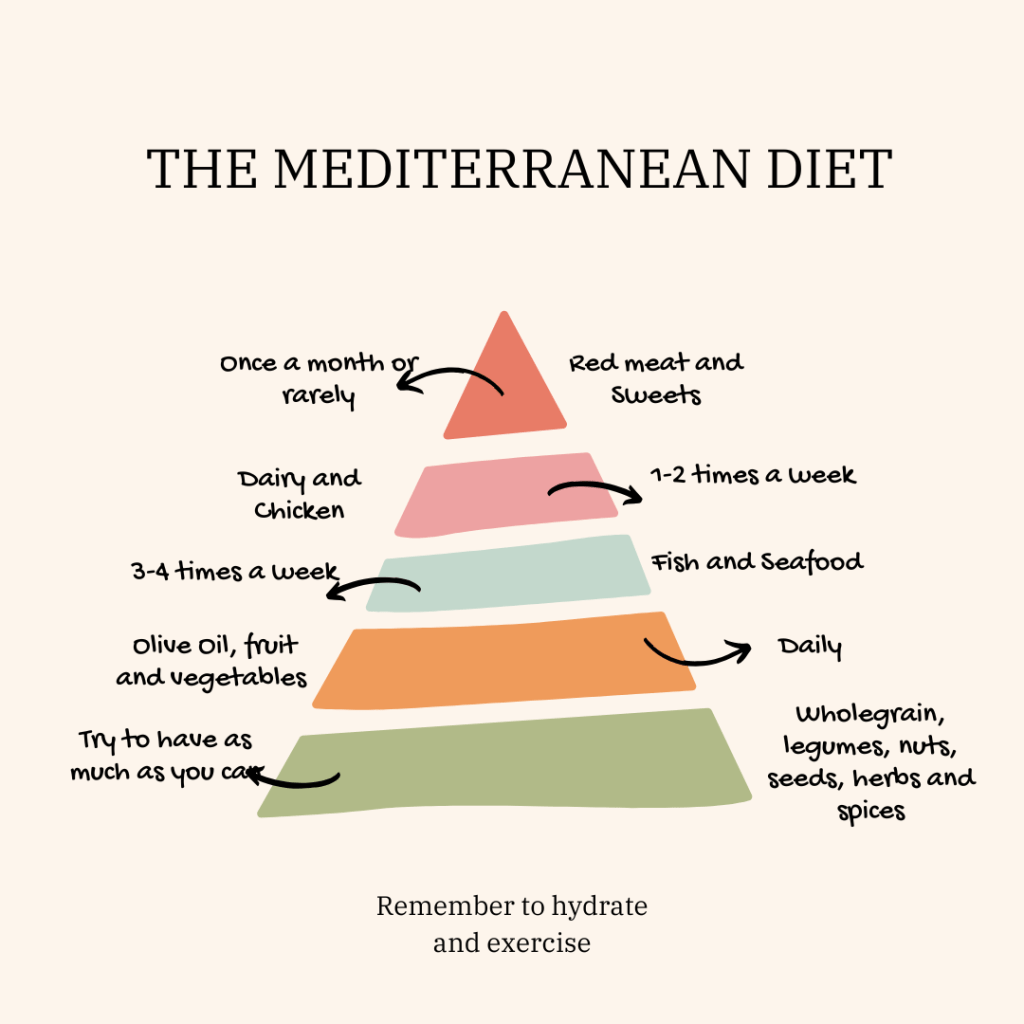
    At its heart, the Mediterranean diet is not really a diet at all. It is not about cutting out whole food groups or measuring every mouthful. It is a way of eating that grew out of the countries around the Mediterranean Sea, shaped by what was local, seasonal, and affordable. Vegetables, fruit, beans, nuts, olive oil, fish, herbs, and grains like barley or couscous. Meat and dairy still have a place, but they are not the main event. The focus is on balance, variety, and real food cooked in simple ways.

    What I like most about it is that it is practical. It is not asking you to do anything extreme, and it is not pretending you will never touch bread, pasta, or cheese again. Instead, it nudges you towards meals built around vegetables and pulses, with meat or fish as a supporting act rather than the star. It encourages olive oil over butter, herbs and spices over heavy sauces, and fruit over puddings that send you into a sugar slump.

    It also allows for flexibility. A plate of shakshuka with good bread fits perfectly. So does a bowl of lentil soup, a tray of roasted vegetables with couscous, or grilled fish with a salad of tomatoes and cucumbers. Even the occasional pizza can fit the spirit of the diet if it is topped with vegetables and eaten alongside a simple salad. What it avoids is excess: too much red meat, too much processed food, or too much sugar.

    There is research behind it too. Studies show that people who eat in this way have lower rates of heart disease and live longer, healthier lives. But honestly, even if you put the science to one side, it makes sense. Meals built around colourful plants, fresh ingredients, and healthy fats will make you feel better than ones that come wrapped in plastic or pulled out of a drive-through bag. Plant diversity and the benefit of a healthy gut microbiome is a growing area of research and one that is already talked about way more than when I first heard about it (and did the Zoe programme for a bit) a couple of years ago.

    The Mediterranean diet is not about copying exactly what people in Italy or Greece eat, because our seasons and ingredients are different. It is about using the same principles where you live. Swap in the vegetables that are in season near you. Use beans and lentils in hearty stews. Make olive oil your first choice for cooking. Keep the food simple, balanced, and enjoyable. Swap Greek yogurt and olive oil for cream, milk and butter when you mash your potatoes.

    So if you are wondering what the Mediterranean diet is, the answer is simple: it is a way of eating that values variety, balance, and real food. It is not about perfection or restriction. It is about eating in a way that leaves you satisfied without feeling stuffed, and that you could happily carry on for the rest of your life.

  • What I Learned from My Worst Week (or Month) This Year

    There are times you look back on and think, how on earth did I get through that. For me it was one of those weeks that tipped into a month, when everything seemed to land at once. Work was full on, life was messy, and the unexpected extras kept showing up whether I liked it or not. By the end I was brittle and running on fumes, the kind of tired that no early night or strong coffee will fix.

    I told myself I was coping, because that is what most of us do. I pressed on, ticked the boxes, smiled in the right places, but inside I knew I was one more bad day away from unraveling. The surprising part was what actually helped. It was not some grand reset or a shiny new plan. It was the smallest things, the kind you barely notice at the time but which quietly keep you steady enough to take another step.

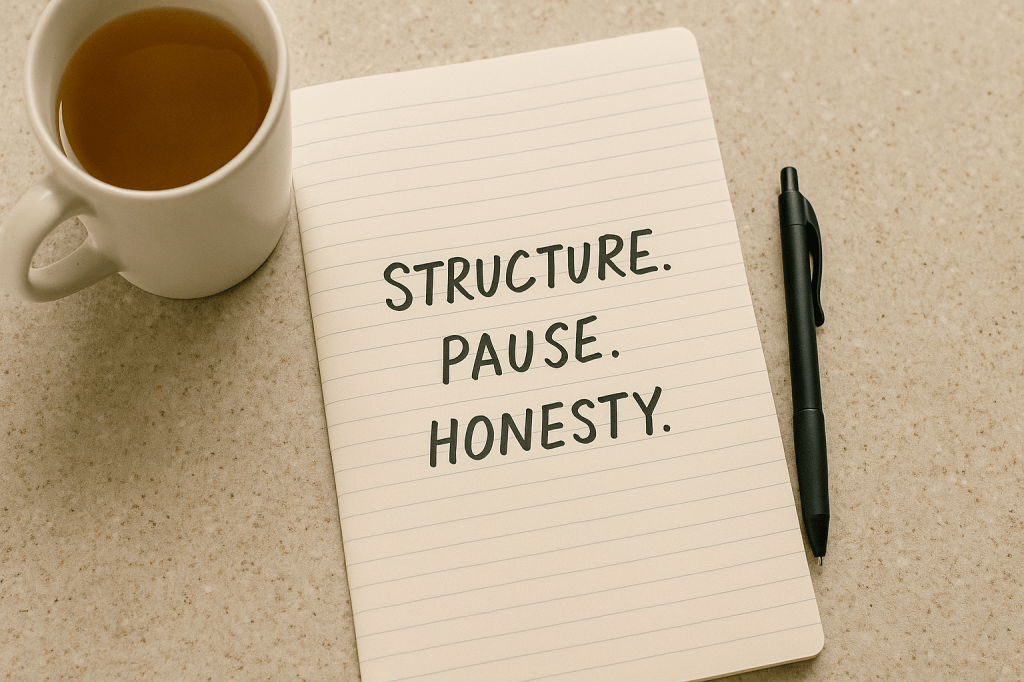
    The first was structure. On the days I was too tired to think, I scribbled down just three things to do. Not thirty. Not everything that had been hanging over me. Just three. It meant I could let the other jobs slide until later, which gave me permission to breathe. It did not solve the chaos, but it gave me a foothold and that was enough.

    The second was pause. A chapter of a book even when I thought I was too busy. A proper cup of tea with my phone flipped face down. A walk around the block that felt pointless until I came back calmer. At first I treated them like stolen moments, guilty and indulgent. Then I realised they were maintenance, not luxury. Without them everything blurred together and felt worse.

    The third was honesty. I am very good at saying “I’m fine” when I am not, and most people take that answer and move on. That time, someone asked at the right moment, and I admitted I was not fine. Not all the detail, just enough. The relief was instant. The support that followed was not dramatic, but it was real, and it reminded me that you do not always have to hold everything on your own.

    Nothing magically fixed itself. It was a hard time, and I would not pretend otherwise. But I came out of it knowing more about what helps me when life piles on. Structure. Pause. Honesty. None of them glamorous, but they worked.

    The truth is, the hardest weeks will come, whether we like it or not. What matters is not whether we sail through them looking like we have it all together, but whether we can find enough small anchors to stop ourselves sinking. Sometimes that really is all it takes.


    Ten Small Ways to Help with Stress

    That stretch taught me a lot, but it also made me think more generally about what helps when life is heavy. Stress never disappears completely, but there are small things that take the edge off. Here are the ten I keep coming back to.

    1. Three things, not thirty. Write down the three jobs that matter most today. Ignore the rest until tomorrow.
    2. Step away on purpose. Read a chapter, put the kettle on, walk around the block. It is a reset, not a waste.
    3. Say it out loud. Admitting you are not fine can be the difference between carrying a weight and sharing it.
    4. Sleep without guilt. A proper night’s rest makes everything easier, but it is always the first thing we sacrifice.
    5. Eat something decent. Not perfect, but decent. A proper meal steadies you far more than another handful of biscuits.
    6. Move your body. Not a gym session if that feels impossible, but stretch, walk, stand, anything. Movement works.
    7. Protect your headspace. Put your phone down, mute the pings, close the door if you can. Noise fuels stress.
    8. Notice small good things. A laugh, a hot coffee, a song you like. They remind you the stress is not the whole story.
    9. Be curious, not cruel. Ask yourself “why am I feeling this” instead of “why can’t I cope.” Curiosity opens space, criticism shuts it down.
    10. Remember it passes. Even the worst week ends. Holding on to that can be enough to keep moving.

    None of this is ground-breaking. None of it is glamorous. But it is real, and it works.

    When I look back on that worst week now, I do not think about the detail of what went wrong. I remember the anchors that got me through: a scrap of paper with three words on it, a cup of tea in peace, one honest sentence spoken at the right moment. Stress will always find its way in, but steadiness can too.

  • Meat Free Monday Without the Sad Salad

    Meat Free Monday has been around long enough to feel familiar, but let’s be honest: it often gets reduced to a limp salad and a slice of bread that does little more than make you hungry again by three o’clock. No wonder people give up on it. Going meat free should not feel like punishment. It should feel like food you actually want to eat, hearty, colourful, and satisfying enough that nobody asks what is missing.

    The best way I have found to make it work is to stop approaching it as “what can I have instead of chicken” and start by asking “what do I want that will taste good and fill me up.” When you build a meal that just happens to be meat free, rather than designing one around the absence of meat, you end up with dishes that stand on their own and never feel like second best.

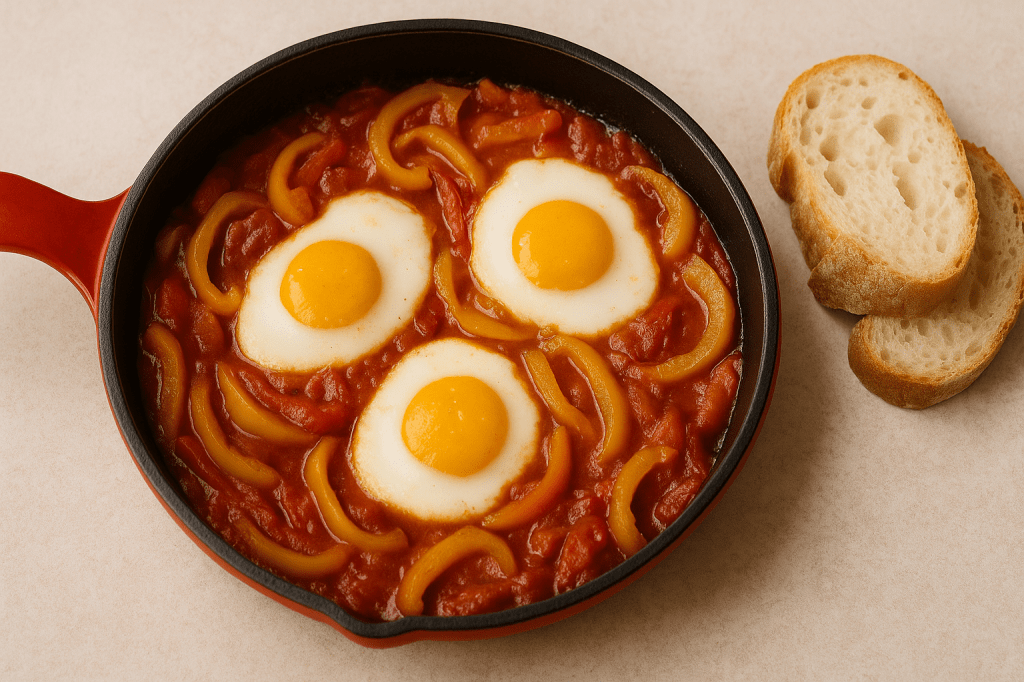
    One of my absolute favourites, and the one I come back to more than any other, is shakshuka.

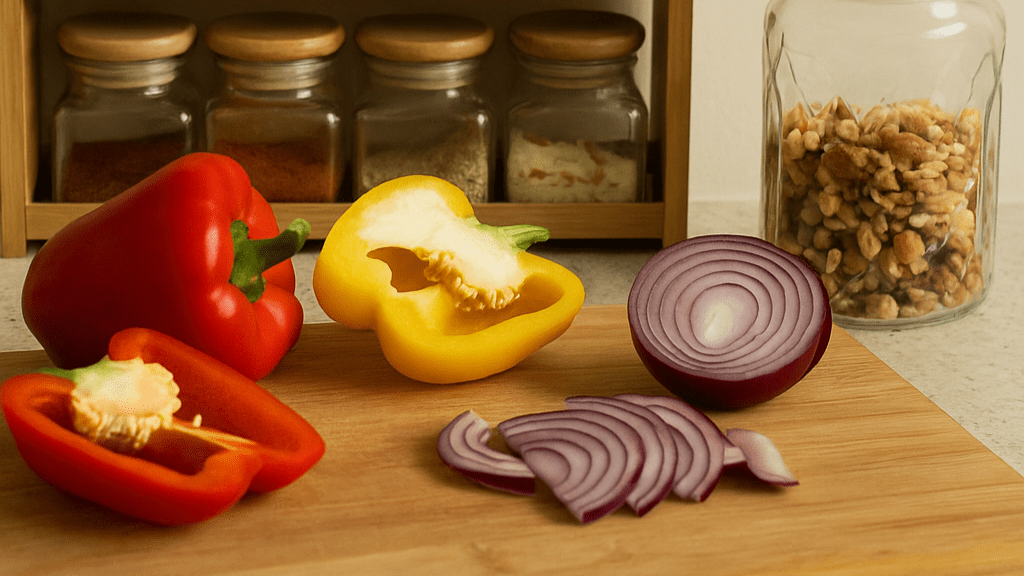
    It is a dish with endless variations, but over time I have honed my own version, and it always hits the spot. The base is simple: cumin seeds toasted gently in olive oil, onions softened slowly until they give up their sweetness, garlic for depth, peppers cooked low and slow until they collapse into silk, then tomatoes and paprika simmered into a sauce that bubbles around the edges and smells like comfort itself. A touch of honey or maple syrup takes away the sharp edge of the tomatoes, and if you like plenty of sauce you can add a second tin or swap to passata.

    The part that makes it special is the eggs. Once the sauce is ready, I crack one in per person, cover the dish, and let the steam set the whites while the yolks stay gloriously runny. A cast iron pan works best, because you can slide the whole thing into the oven for ten minutes if you prefer, but the hob does just as well with the lid on. Served with good crusty bread to mop up the sauce, it is the sort of meal that feels both comforting and celebratory.

    What I love about shakshuka is its flexibility. On a meat free Monday it is perfect just as it is. If you are cooking on another day and want to add protein, it also pairs beautifully with shredded leftover roast chicken, which keeps the balance light and in line with that Mediterranean inspired lifestyle I am aiming for. Chorizo works too if you want more punch, but chicken is the one that feels right most often.

    Alongside shakshuka, two other recipes have become regulars in my kitchen rotation. One is courgette curry, which sounds modest but delivers far more flavour than you might expect. Softened courgettes folded into a fragrant spiced sauce turn into something that feels both filling and fresh, and it proves the point that meat free does not have to mean boring. The other is vegetarian chilli mac and cheese, a one pot wonder that brings together the smoky warmth of a good chilli with the indulgent pull of pasta and cheese. It is unapologetically hearty, and I have yet to see anyone turn down a second bowl.

    None of these dishes feel like a compromise. They are not the kind of things you cook in order to “make do.” They are the kind you cook because they are good food, full stop. And that is what makes Meat Free Monday sustainable.

    If you want it to stick, variety helps. Change the spices, swap the grains, use chickpeas instead of lentils, throw sweet potatoes into a tray bake where you might normally use ordinary ones. Roasted vegetables tossed through couscous with olive oil and herbs can be entirely different depending on what you scatter in, and it is almost impossible to get wrong.

    Batch cooking is another saviour. Make double portions of chilli mac or curry, tuck some away in the freezer, and you will thank yourself later when a long day threatens to derail your good intentions.

    For me, Meat Free Monday has never been about denying myself something, or ticking a box to feel virtuous. It has been about giving myself another option. It is about food that feels abundant rather than sparse, food that makes you want to sit down at the table rather than graze in front of the fridge. It stretches your cooking, saves a bit of money, and might do some good for the planet too.

    Most of all, it proves that vegetables can take the lead just as well as anything else. Get it right, and Meat Free Monday is not a chore at all. It is just another night of good food without the sad salad.


    Shakshuka Recipe

    Ingredients

    • 1 tablespoon olive oil, plus extra for drizzling
    • 1 teaspoon cumin seeds
    • 1 onion, finely sliced
    • 2 garlic cloves, minced
    • 2 peppers, sliced (use different colours if you can)
    • 1 teaspoon paprika
    • 1 tin of chopped tomatoes (use two if you like extra sauce, or swap to passata)
    • 1 teaspoon honey or maple syrup (optional, to soften acidity)
    • 1 egg per person
    • Crusty bread, to serve

    Method

    1. Heat the olive oil in a heavy-based pan over a medium-low heat. Add the cumin seeds and fry gently until they start to release their aroma.
    2. Add the sliced onion and cook for around 5 minutes, stirring occasionally, until softened but not browned. The longer you can let them cook without colouring, the more flavour you build.
    3. Stir in the garlic and cook for 30 seconds, just long enough to lose its raw edge.
    4. Lower the heat and add the peppers. Cook slowly for around 20 minutes, until they are soft and sweet.
    5. Stir through the paprika, then add the tomatoes and honey or maple syrup if using. Raise the heat back to medium and simmer for 10 minutes until the sauce thickens and tastes rich.
    6. Make small wells in the sauce and crack in the eggs. Cover with a lid and cook on the hob for 8–10 minutes until the whites are set and the yolks are still runny. Alternatively, transfer the pan to the oven at gas mark 4 for around 10 minutes to bake.
    7. Drizzle with a little extra olive oil and serve straight from the pan with plenty of crusty bread.

    Optional: Add shredded leftover roast chicken before the eggs if you want more protein while keeping the dish balanced and Mediterranean inspired.

  • How I Use ChatGPT (Without Letting It Run the Show)

    Let’s be honest. ChatGPT is everywhere at the moment. Some people seem to think it will solve all their problems, others are convinced it is quietly plotting our downfall, and most of us are somewhere in between, just trying to work out if it can actually make life easier.

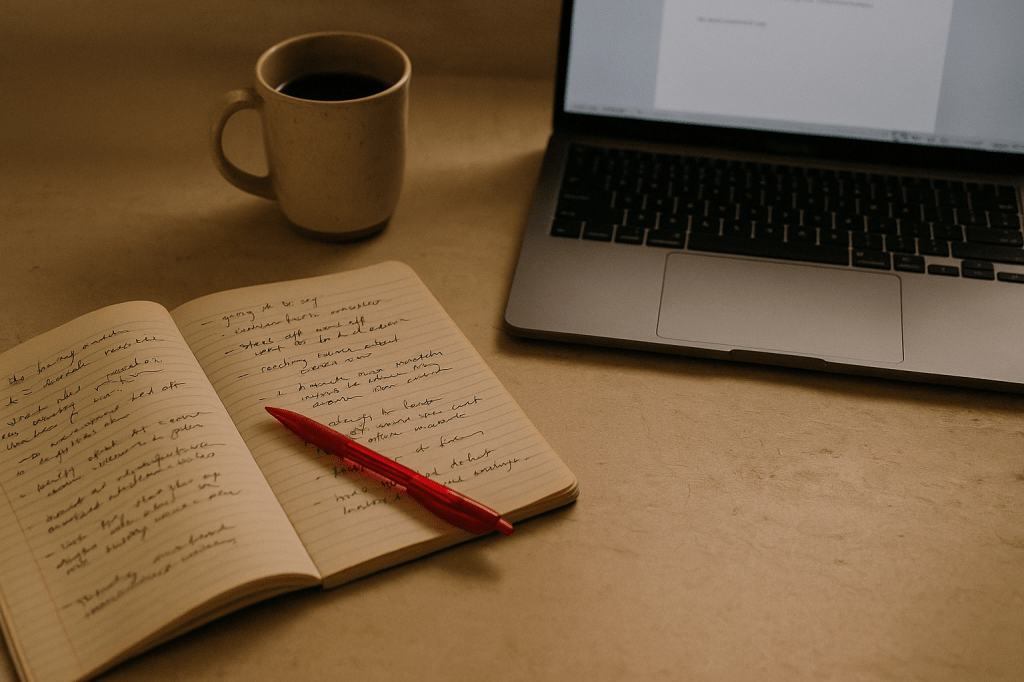
    For me, it has become something quietly useful. Not in a world changing way or in the sense that I will never work the same way again, but in the smaller and more practical sense of helping me think more clearly and giving me a way of organising what is already in my head. I do not use it as a magician or a guru. I use it more like a red pen, something that can take what I already have and help me see it in a sharper light.

    My favourite thing is the way it holds a conversation. Sometimes at two in the morning I find myself in back-and-forth exchanges that bring up the most random facts. I might never use them, but they make me smile, and more importantly, they give me the freedom to follow my own thread of thought without interruption. No one waiting to jump in, no one needing me to manage their reactions, just a quiet space to think out loud in a way that is surprisingly rare in everyday life.

    What I do not do is hand it the whole job. When I ask ChatGPT to write something from scratch, what comes back usually looks neat enough, but it lacks the depth and texture of a human voice. It is a little like eating supermarket lasagne when what you really wanted was the homemade version with bubbling cheese and crispy edges. It fills a gap if you are desperate, but it is not satisfying and certainly not what you had in mind when you sat down at the table.

    Where it earns its place is as an editor rather than a creator. I pour out everything in the way it arrives in my head, sometimes as half-formed ideas, sometimes as long rambles that do not yet have a shape, and every so often as lists or fragments that look nothing like finished writing. Then I let ChatGPT take that jumble and turn it into something more orderly. It does not hand me a polished final piece, but it does give me bones strong enough that I can then shape it back into something that feels like mine.

    That distinction matters, because my writing voice is not the same as my note-taking voice. When I capture thoughts quickly they come out in short bursts. Sometimes no more than a few words at a time. Sometimes not even full sentences. But when I write properly I prefer longer sentences with rhythm and flow that let ideas breathe and build. ChatGPT has to be reminded of that. Left alone, it will shorten everything into neat little chunks which can feel very staccato, fine for emphasis occasionally but not for a whole piece of writing.

    It also has its quirks, and those quirks keep me on my toes. Ask it for salad ideas and it will insist watermelon is the answer to everything, no matter how many times you explain that it is not. Ask it for a blog header and it will garnish it with avocado, as though that makes the whole thing instantly wholesome. Hand it your messy notes and it will sometimes flatten them into clipped, robotic lines that need smoothing out all over again. These are the moments when I remember that it is a tool to be guided, not a partner to hand control over to.

    Beyond the quirks, what I have come to value most is how it helps me separate the noise from the signal. I can throw in a mass of competing priorities, fragments of things I am trying to remember, and scraps of thought that do not yet make sense, and it will sift them into something that I can actually work with. That alone is a relief, because the alternative is carrying all of it in my head, spinning it like plates and hoping none of them fall. I have realised that when I free my brain from holding on too tightly, I make better choices, my digital to-do list has also helped with this. I can step back, see what actually matters, and spot when a small problem has been taking up far too much space.

    It has also become a place where I can work through emotions without worrying about how they will be perceived. I can type freely, knowing there will be no raised eyebrow, no man thinking I am a weak willed woman for daring to show some emotion, no impatient silence waiting for me to hurry up, and in return I get reflections that make me pause. Not always profound, but often enough to make me notice a pattern or a question that I had not yet considered. In that sense it has acted like a mirror, not showing me answers, but helping me see myself a little more clearly. There is a risk here too, because it is easy to slip into treating it like a friend, forgetting that it is not alive and not capable of true empathy, but if you use it with that awareness then the clarity it brings can be surprisingly powerful.

    I have noticed as well that when I ask it to critique my writing, it errs on the side of being generous. It likes its own style and it often falls firmly on the complimentary unless I push it to be properly critical. That has taught me not to take its judgement at face value, but to treat it as one view in the room rather than the only one. Sometimes its version of “good” is not mine, and that is an important reminder to keep hold of my own sense of voice.

    So I keep circling back to the same conclusion. ChatGPT is not a ghostwriter, not a shortcut, not a magic wand. It is a red pen. A proofreader who never sighs at the seventh draft. A companion that can cut through waffle, arrange messy thoughts, and give me a clearer starting point. If you expect it to replace your own thinking, you will be disappointed. If you allow it to support your thinking, you may be surprised by how much lighter the work feels and how much space it creates for your own ideas to grow.

    And that, really, is the heart of the Halfcut philosophy. Life is not usually transformed by grand gestures or perfect plans. It is shaped by the small and practical tweaks that make each day easier to manage. Fasting, when it suits you. Meal planning, without losing the will to live. A healthier tiffin to take the edge off. None of these are the whole answer, but each one makes the week a little smoother and a little more manageable. ChatGPT belongs in that same category. Not about handing over control, but about using a tool that helps you find clarity and rhythm, and maybe even delivers a random fact at two in the morning that you did not need but were glad to know.
  • Meal Planning Without Losing the Will to Live

    Let’s be honest, meal planning can feel like one of those things that “perfect” people on Instagram do with colour-coded spreadsheets and matching containers. In real life, most of us are juggling work, kids, and the constant mystery of what on earth to cook for dinner that everyone will actually eat.

    What works for me is not a rigid plan for seven days of the week. Life happens. Sometimes we come home later than expected, sometimes we fancy heading out, and sometimes nothing sounds better than a cheese toastie eaten in front of the telly. So instead, I plan just four or five meals each week. That way, there’s structure without pressure, and enough flexibility to deal with reality.

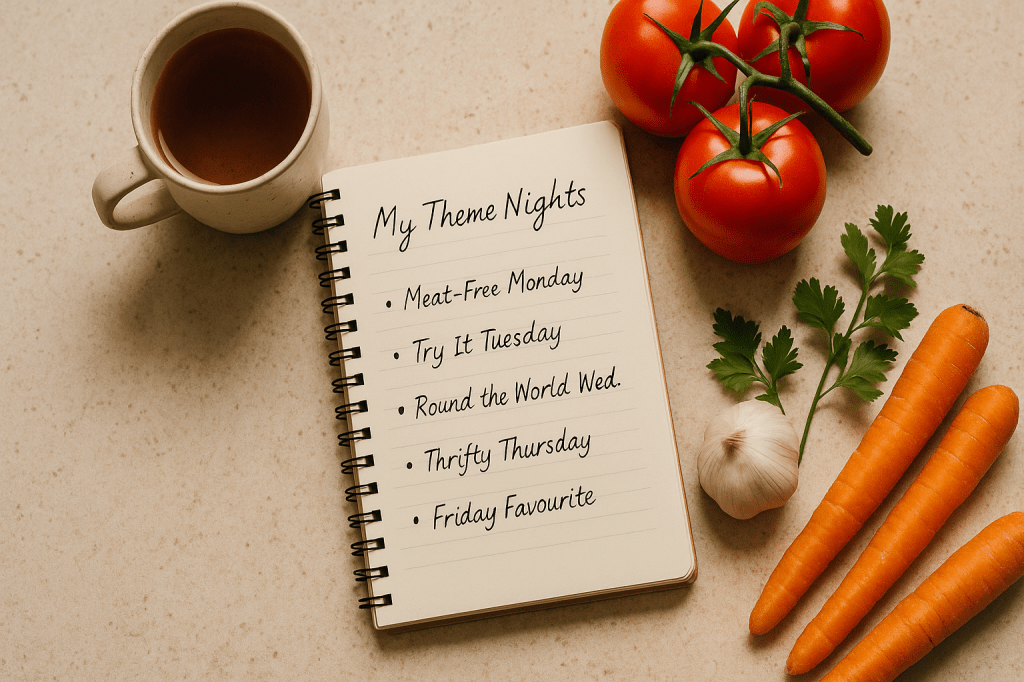
    My Theme Nights

    To keep ideas flowing (and stop me from cooking the same three dinners on repeat), I use themes as a starting point:

    • Meat-Free Monday – veggie pastas, lentil curries, or roasted veg trays.
    • Try It Tuesday – a new recipe from Pinterest or a tweak on an old one.
    • Round the World Wednesday – anything with global flavours, from tacos to stir fry.
    • Thrifty Thursday – budget-friendly meals, often using up leftovers.
    • Friday Favourite – the reliable dishes we all love, usually something comforting.
    • Whatever Weekends – flexible and often spontaneous.

    This simple rotation means I am not reinventing the wheel each week, but there is enough variety to stop us falling into a rut.

    A Few Favourites

    I will link a few of my go-to recipes from Pinterest here:

    https://gusscooks.com/the-best-lebanese-tabbouleh/
    https://www.munchkintime.com/grilled-chicken-shawarma-recipe/
    https://themodernnonna.com/greek-chicken-gyros/
    https://littleferrarokitchen.com/moqueca-brazilian-fish-stew/
    https://www.slimmingeats.com/blog/tuna-pasta-bake
    https://www.easycheesyvegetarian.com/one-pot-vegetarian-chilli-mac/
    https://www.bbcgoodfood.com/recipes/courgette-curry
    https://simply-delicious-food.com/baked-gnocchi-with-bacon-tomato-and-mozzarella/
    https://www.seasonsandsuppers.ca/pork-chops-with-peppercorn-sauce/
    https://www.foodiewithfamily.com/peposo/
    https://www.dontgobaconmyheart.co.uk/cheesy-ground-beef-quesadillas/

    The Point

    Meal planning should make life easier, not harder. A little structure helps me eat better, save money, and reduce the stress of that 6pm fridge stare. But it works because I keep it realistic. Four or five planned meals, themes to guide me, and permission to say “cheese toastie it is” when the day has been too much.

The Half Cut Blog

Treading the line between chaos and clarity.

Skip to content ↓